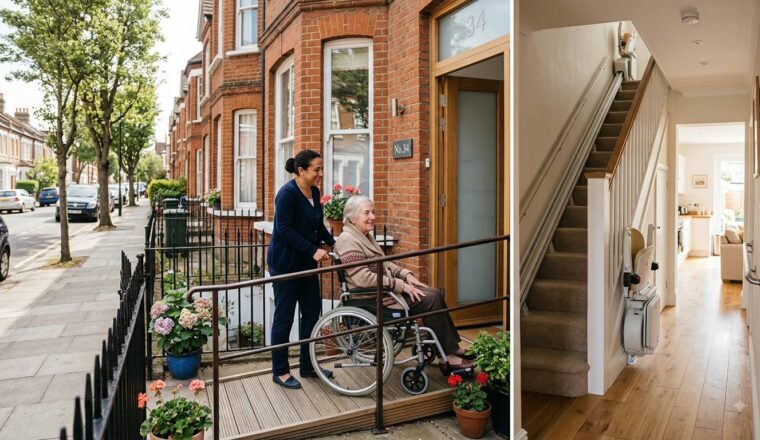
What to Expect From the Live-In Care Assessment Process in London

A live-in care assessment identifies the support needed to remain safe and independent at home. It covers health, routines, personal care, home safety, costs, and carer matching. Understanding each stage helps families prepare accurate information, ask useful questions, and make confident decisions about temporary or long-term care.

Introduction

Arranging full-time care can feel overwhelming. Understanding the assessment process makes it easier to prepare. When considering Live in care London, the assessment helps the provider understand the person’s health, mobility, medication, routines, and preferences. Families can also ask questions and discuss concerns. The information collected helps create a safe, respectful, and personalised care plan.

Understanding the Assessment

A live-in care assessment creates a clear picture of the person’s needs. It is a supportive discussion rather than a test. The assessor identifies what the person can manage alone and where help is required. This prevents unnecessary support. Relatives may provide useful information. However, the person receiving care should remain central to every decision.

The Initial Consultation

The process usually begins with a telephone consultation. The provider collects basic information about the required care. You may be asked whether support is temporary or long-term. The discussion may cover recovery, respite, dementia, disability, frailty, or mobility difficulties. Mention any urgent concerns. These could include hospital discharge, recent falls, increased confusion, or declining health.

The Detailed Assessment

A detailed assessment normally follows the initial call. It may take place at home or through another suitable arrangement. The provider should explain who will conduct it. They should also confirm which information or documents are needed. The individual may invite a relative or representative. This can provide reassurance and prevent important details from being missed.

Health and Medical Needs

The assessor will ask about diagnosed conditions, treatment, allergies, pain, sleep, and communication difficulties. Explain how each condition affects daily life. People with the same diagnosis can require very different support. Describe both good and difficult days. This gives the assessor a more accurate understanding of changing needs. Recent health changes should also be mentioned. Even small changes may affect the care plan.

Medication Support

The assessor needs to understand how medication is managed. The person may take it independently or need reminders. Provide a current medication list. Mention any recent changes or difficulties following the prescribed routine. Ask what medication support the carer can provide. Responsibilities should be clear before care begins.

Personal Care Requirements

The assessment may cover washing, dressing, grooming, toileting, and eating. These subjects should be discussed sensitively. The person should explain how they prefer help to be provided. Privacy, dignity, and comfort must remain priorities. Be honest about the level of assistance required. Accurate information supports safer care planning.

Help With Daily Activities

The assessor may discuss meals, shopping, cleaning, and companionship. These tasks can become harder because of illness or reduced mobility. When arranging Live in care London, explain which activities require support. Also identify what the person can still manage alone. A carer should provide help without taking over unnecessarily. Maintaining everyday skills can protect confidence and independence. Dietary requirements should also be recorded. Mention allergies, restrictions, cultural needs, and personal preferences.

Routine and Personal Preferences

Live-in care should fit naturally around the person’s lifestyle. The assessment will therefore cover routines and interests. The assessor may ask about waking times, meals, hobbies, social activities, and religious practices. Small details can improve comfort. Favourite meals, music, programmes, and activities may be included in the care plan. Communication style also matters. Some people enjoy regular conversation, while others prefer more quiet time.

Companionship Needs

Companionship can reduce loneliness and support emotional wellbeing. It is an important part of live-in care. The person may want help with hobbies, shared meals, appointments, or social outings. Their preferred level of interaction should guide the arrangement. Privacy and time alone must also be respected.

Reviewing the Home

The assessor may check whether the home is safe and suitable. They may consider lighting, stairs, bathrooms, and trip hazards. Any mobility equipment should be discussed. Small adjustments may make movement easier and reduce risk. Major alterations are not always necessary. The aim is to create a practical and safe environment.

Accommodation for the Carer

A live-in carer needs suitable private accommodation. They require space to sleep, rest, and store belongings. Discuss arrangements for meals, shared spaces, internet access, pets, smoking, and visitors. Carer breaks should also be agreed. Clear boundaries support a comfortable working relationship.

Creating the Care Plan

The assessment information is used to create a personalised care plan. It should describe the required support and routines. The plan may include personal care, mobility, medication, meals, shopping, cleaning, and companionship. Known risks, emergency contacts, and communication needs should also be recorded. Read the plan carefully before care starts. Correct anything that is unclear, inaccurate, or incomplete.

Matching the Right Carer

The assessment helps the provider choose a suitable carer. The match should reflect the person’s health and personal needs. Training and experience are essential, especially for complex conditions. Personality and communication style are also important. Ask how carers are trained, vetted, and selected. Find out what happens if the first match is unsuitable. Carer changeovers and replacement cover should be discussed. This helps prevent uncertainty later.

Costs and Funding

The cost of care depends on the level of support required. Complex needs may lead to higher fees. Ask what the quotation includes. Clarify travel costs, holidays, changeovers, and notice periods. Find out whether fees could increase if care needs change. This will help with financial planning. Funding may come from private resources, local authority support, or NHS Continuing Healthcare. Eligibility depends on individual circumstances.

Preparing for the Assessment

Gather medication details, medical information, professional contacts, and notes about the person’s routine. Record recent falls, sleep problems, appetite changes, confusion, or mobility difficulties. Write down the person’s main priorities. Include routines, preferences, concerns, and activities they want to maintain. Prepare questions about costs, carers, reviews, and emergency support. This reduces the chance of forgetting something important.

Reviewing the Care

Care needs may change after the original assessment. Illness, recovery, medication, or reduced mobility can affect support requirements. Report important changes promptly. Waiting for a routine review could leave the care plan outdated. The person receiving care should also provide feedback. Their experience shows whether the arrangement is working. Regular reviews keep support suitable. All agreed changes should be recorded clearly.

Conclusion

A live-in care assessment helps identify the person’s health, mobility, personal care, companionship, and household needs. Use the meeting to provide accurate information and explain personal preferences. Ask about costs, career selection, breaks, and reviews. A suitable care plan should protect safety while respecting dignity, privacy, routines, and independence. Review the final plan and request changes where needed. When arranging Live in care London, honest communication and careful preparation can help the person remain comfortable, secure, and well supported at home.

What to Consider When Ordering Custom Awnings for a Commercial Property

Selecting an awning for a commercial property goes beyond visual appeal—it is a considered business decision. A well-chosen design not only improves the exterior appearance but also offers reliable protection from weather conditions, shaping how customers experience your space.

As you review different options, it is essential to think beyond style alone. Practical aspects such as durability, usability, and regulatory requirements all contribute to long-term performance. Taking these factors into account will help ensure your investment is both effective and sustainable.

Understanding the Purpose of Your Awning

Before diving into styles and materials, clarify the primary purpose of your awning. Different commercial settings have different needs, and your choice should reflect that.

For example, a café may require shading for outdoor seating, while a retail shop might prioritise branding and window display protection. Offices, hotels, and restaurants each have unique functional requirements, from weather shielding to energy efficiency.

Ask yourself:

  • Is the awning mainly for shade, rain protection, or both?
  • Will it serve as a branding element?
  • Does it need to accommodate foot traffic or seating areas?

A clear understanding of purpose will guide every other decision.

Choosing the Right Material

Material selection is critical for both performance and longevity. Commercial awnings are exposed to varying weather conditions, so durability should be a top priority.

Common materials include:

  • Acrylic fabrics: Known for colour retention and resistance to fading.
  • PVC-coated fabrics: Highly waterproof and easy to clean.
  • Metal or aluminium: Durable and low maintenance, often used for permanent structures.

Each material has its advantages, but the best choice depends on your local climate, maintenance expectations, and overall design goals. Investing in high-quality materials can reduce long-term repair and replacement costs.

Design and Branding Considerations

Awnings are a visible extension of your brand. The design should complement your property while reinforcing your identity.

Consider elements such as:

  • Colour schemes aligned with your branding
  • Logo placement and visibility
  • Shape and style (e.g. retractable, fixed, dome-shaped)

Consistency matters. A well-designed awning can attract attention and create a memorable first impression, especially in high-footfall areas.

At the same time, avoid overly complex designs that may age quickly or clash with the building’s architecture. A balanced, timeless approach often works best.

Fixed vs Retractable Awnings

One of the key decisions when ordering custom awnings is whether to choose a fixed or retractable model.

Fixed awnings are permanently installed and offer consistent protection. They are ideal for businesses that require year-round coverage.

Retractable awnings, on the other hand, provide flexibility. They can be extended or retracted depending on weather conditions, making them suitable for spaces that benefit from adaptable shading.

Your choice should depend on:

  • Seasonal usage
  • Exposure to strong winds or heavy rain
  • Operational convenience

Retractable options may involve higher upfront costs but can offer greater versatility.

Compliance and Planning Permissions

Commercial properties often need to meet specific regulations when installing external structures. This may include planning permissions, especially for listed buildings or properties in conservation areas.

Key considerations include:

  • Local council regulations
  • Health and safety standards
  • Accessibility requirements

Failing to comply can lead to fines or the need for removal. It is advisable to consult with professionals or local authorities before proceeding.

Installation and Structural Support

Proper installation is essential to ensure safety and performance. Awnings must be securely fixed to withstand environmental stress, particularly wind and rain.

Factors to assess:

  • The strength and condition of the building façade
  • Mounting options and hardware quality
  • Professional installation services

Attempting to cut costs at this stage can lead to long-term issues. A poorly installed awning not only reduces effectiveness but may also pose safety risks.

Maintenance and Longevity

Even the best awnings require regular care to maintain their appearance and functionality. Understanding maintenance requirements upfront can help you choose a suitable option.

Key Maintenance Considerations

  • Cleaning frequency: Fabrics may need periodic washing to prevent dirt build-up.
  • Weather protection: Retracting awnings during extreme weather can extend lifespan.
  • Inspection routines: Regular checks for wear, tears, or loose fittings.
  • Repairs and replacements: Availability of spare parts and service support.

By factoring in maintenance, you can ensure your custom awnings remain in good condition for years.

Cost vs Value

Budget is always a consideration, but it’s important to distinguish between cost and value. Cheaper options may seem appealing initially but could lead to higher expenses over time due to repairs or replacements.

When evaluating costs, consider:

  • Material quality
  • Warranty and aftercare services
  • Energy savings (e.g. reduced cooling costs)
  • Increased customer comfort and footfall

A well-designed awning can contribute to both operational efficiency and customer experience, making it a worthwhile investment.

Weather and Environmental Factors

The local climate plays a significant role in determining the most suitable awning type. Properties in areas with heavy rainfall, strong sunlight, or high winds require specific features.

For instance:

  • UV-resistant fabrics are essential for sun-exposed locations
  • Waterproof materials are ideal for rainy climates
  • Wind-resistant frames are necessary in exposed areas

Ignoring environmental factors can lead to premature wear or reduced effectiveness.

Conclusion

Ordering an awning for a commercial property involves more than selecting a design. It requires careful consideration of purpose, materials, compliance, and long-term performance. By taking a structured approach, you can ensure your investment enhances both the functionality and visual appeal of your business.

Whether you prioritise branding, customer comfort, or durability, thoughtful planning will help you choose the right solution. In the end, a well-chosen awning is not just an addition—it’s an asset that supports your business goals.

The Best Places To Check For Roof Damage After A Storm

Storm damage has a way of hiding in plain sight. A roofing company in Dunedin, FL, can spot the signs that property owners often miss after heavy Gulf Coast rain. Mitchell Roofing Company helps find those trouble spots before a small leak turns into a bigger mess.

Some roof issues do not look serious at first. A little grit in the gutter, a damp attic smell, or one lifted shingle can all point to water moving where it should not. A real roof check can save property owners from guessing and hoping for the best.

Keep reading to see where roof damage likes to hide after a storm.

Roof Valleys That Collect Storm Debris

Roof valleys can turn into clog zones after a hard storm. Leaves, broken twigs, and loose shingle grit can bunch up where rain is supposed to move fast. Slow water can sneak under nearby shingles and start damage that may stay hidden at first.

A messy valley is more than an eyesore after heavy rain. It can mean water has stopped flowing the way your roof was built to handle. Getting that area checked can help catch drainage trouble before a small leak spreads into the attic or ceiling.

Shingle Edges That Start To Lift

A curled shingle can be easy to miss, but storms do not miss it. Strong gusts can catch that raised edge and work it loose little by little. Once the seal breaks, rain has a better chance of slipping into places it should never reach.

This kind of damage can grow fast after one rough weather event. Nearby shingles may start shifting when the first weak spot is left alone. A post-storm roof check can help find lifted edges before they lead to stains, soft spots, or hidden water damage.

Attic Spots Near Pipes And Vents

The attic can show roof trouble before the rest of the home does. Around pipe boots and vents, a small gap can let rain slip in during a hard storm. Damp insulation, dark wood, or a musty smell can all point to water sitting where it should not be.

Those warning signs should get attention before a ceiling stain shows up. Water can stay hidden above a room for days while it soaks into nearby materials. Checking these attic spots after a storm can help catch a roof leak while the problem is still easier to fix.

Gutters With Shingle Granules

Gutter grit can tell a bigger story after a storm. When heavy rain washes loose granules into the gutters, the shingles may be losing the layer that helps shield them from sun and water. A pile near the downspout can mean the roof is aging faster than it looks from the ground.

Granule loss is easy to ignore because it can look like plain storm dirt. A roofing company in Dunedin, FL, can check whether those loose bits point to wear, storm damage, or both. Mitchell Roofing Company can help find the source before the next rain turns a quiet warning sign into a leak.

It’s Time to Hire Our Roofing Company in Dunedin, FL

Storm damage can leave quiet clues before it causes a bigger mess. A lifted shingle, damp attic, or skylight stain can mean water is already getting inside. Mitchell Roofing Company can inspect the roof and help prevent small problems from becoming more expensive to fix.

The Art of Coming Home To Yourself Through Feminine Embodiment

Modern life has a strange way of pulling people away from themselves. Between endless notifications, packed schedules, and the pressure to constantly “have it all together,” many women quietly lose touch with their own emotional and physical needs. Feminine embodiment is often described as the process of reconnecting with the body, emotions, intuition, and personal identity in a more grounded and authentic way. It is not about becoming perfect, mysterious, or endlessly graceful while floating around the house like a scented candle advertisement. In reality, it is far more human than that. It is about learning to feel safe in your own skin again. Conversations around feminine embodiment practices have grown because more people are recognising how disconnected modern lifestyles can make us feel. The desire to come home to yourself emotionally, mentally, and physically is becoming less of a luxury and more of a necessity.

Modern Paving Solutions That Enhance Functionality and Appearance

Modern paving solutions do far more than improve kerb appeal. They create safer, more durable, and more functional outdoor spaces that add long-term value to homes and commercial properties alike. From smart drainage systems to decorative finishes, today’s paving options combine strength with visual appeal, helping property owners achieve practical surfaces that also enhance the overall appearance of their outdoor environment.

Why Professional Demolition Services Matter in Construction Projects

Construction projects often begin with a blank canvas—but getting to that stage is rarely simple. Old structures, unsafe materials, and complex site conditions can make the early phase of any project challenging. Many people underestimate this stage, assuming demolition is just about knocking things down. In reality, it’s a highly technical process that directly impacts safety, cost, and project timelines. Right after the initial planning phase, choosing the right demolition services becomes one of the most critical decisions in the entire construction journey.