Flats, Stairs and Access: Adapting a London Home for a Live-In Carer

London homes often bring unique challenges of stairs, tight spaces and limited access. Preparing a flat or house thoughtfully makes live-in care practical and comfortable for everyone involved. Small changes can transform daily life and support independence at home.

Many London properties feature multiple floors, narrow hallways or shared entrances that complicate daily movement. When a family member needs round-the-clock support, these features can make live-in care feel difficult at first. The good news is that most homes can be adapted successfully. A clear plan focused on space for the carer, safer access around the property and practical adjustments for stairs turns a challenging layout into a workable home. Professional Live in care London services then fit naturally into that prepared environment, helping people stay where they feel most comfortable.

Creating Private Space for the Carer

A live-in carer needs a dedicated bedroom with a comfortable bed, storage and a door that closes for privacy and rest. In a typical London flat this often means converting a spare room or office. The space should feel warm, clean and welcoming so the carer can recharge between duties. Access to a bathroom is essential. A private one is ideal, yet a shared facility works well when kept tidy and practical. Reliable Wi-Fi that reaches the carer’s room supports communication with care teams and everyday needs. Kitchen access allows the carer to prepare meals for both people and manage household routines smoothly.

Tackling Stairs and Level Changes

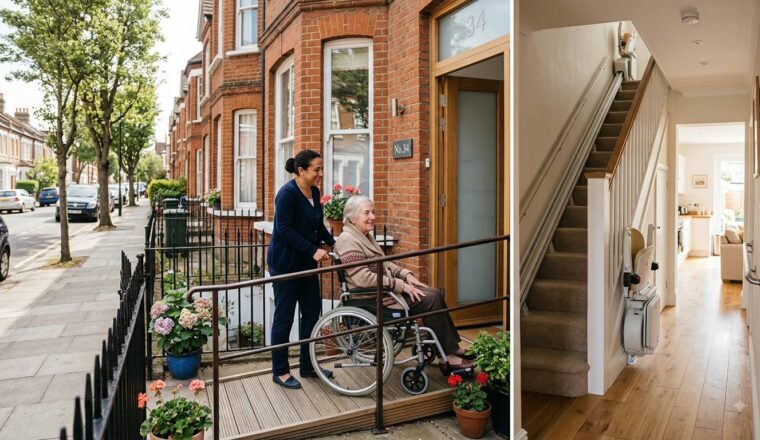
Stairs present one of the biggest hurdles in many London homes. Fitting a second handrail on the staircase improves stability for both the person receiving care and the carer when helping with mobility. Where climbing becomes unsafe or exhausting, a stairlift offers a reliable solution and keeps upper floors usable. In smaller flats with only a few steps at the entrance, a portable ramp or half-step can ease access without major building work. Clear lighting on landings and along staircases further reduces the risk of trips, especially at night.

Improving Overall Access and Flow

  1. Entrance and doorways Widen doorways where possible if a wheelchair or walking frame is used. Outside, grab rails beside steps or a short ramp make entering and leaving the property safer. In shared blocks, check lift reliability and arrange key-safe access so carers can enter without delay.
  2. Pathways inside the home Remove loose rugs, trailing wires and clutter from hallways and main routes. Good lighting throughout, including motion-sensor options in darker areas, helps everyone move confidently.
  3. Bathroom and kitchen practicality Grab rails beside the toilet and in the shower, non-slip mats and a raised toilet seat make personal care safer and less strenuous. Lowering frequently used kitchen items or adding easy-grip tools supports independence during meal preparation.

These adjustments do not always require extensive renovations. Many can be completed quickly and may qualify for local authority assessments or Disabled Facilities Grants.

Managing Shared Spaces in London Flats

Communal hallways, stairwells and lifts in apartment blocks create extra considerations. Agree clear access arrangements with building management so the carer can move freely without delays. A key safe outside the front door is often essential for reliable entry. Inside the flat, designate shared areas such as the living room and kitchen with simple house rules that respect both privacy and the need for the carer to complete daily tasks. Keeping common surfaces clear and well-lit makes the whole home feel more spacious and workable.

Safety Considerations for Night-Time Support

Night-time needs require particular attention in multi-level homes. Position a call bell or simple sensor system within easy reach of the bed so help can be summoned quickly. Ensure pathways from the bedroom to the bathroom stay free of obstacles and are lit with low-level or motion-activated lights. If the carer sleeps on a different floor, plan how assistance will be provided without unnecessary stair climbs during the night. These measures improve rest for everyone and reduce the chance of falls.

Balancing Independence and Carer Needs

The goal of adaptations is to support the person receiving care while giving the carer a sustainable working environment. Keep favourite chairs, personal items and familiar routines in place so the home still feels like home. At the same time, provide the carer with enough space and facilities to rest, prepare meals and complete documentation. A balanced approach prevents burnout and helps the arrangement continue successfully over the longer term. Live in care London works best when both people feel the property supports their daily lives rather than creating constant friction.

Practical Tips Before Care Begins

Walk through the home with an occupational therapist or care assessor to identify priorities. Focus first on the carer’s private space and the routes the person needing care uses most often. Test equipment such as mobility aids in the actual rooms to ensure they fit and move freely. Provide simple written notes on household systems, bin days and emergency contacts. These small preparations help the carer settle in quickly and deliver consistent support.

Funding and Professional Guidance

Local councils can arrange home assessments that recommend specific adaptations. Grants often cover stairlifts, ramps and bathroom changes for eligible people. Care providers also review the property before placing a carer to confirm it meets basic safety and privacy standards. Combining professional advice with practical changes creates a sustainable setup.

Frequently Asked Questions

Does a live-in carer always need a private bathroom?

No. Shared bathroom access is acceptable provided it is practical, hygienic and respects privacy for both people.

Can adaptations be made in a rented London flat?

Yes, though landlord permission is usually required for structural changes. Many smaller aids such as grab rails or portable ramps need no major works.

How much space does a carer typically need?

A standard single bedroom with storage is normally sufficient. The key is privacy, heating and a door that can be closed.

Are stairlifts essential in every multi-floor home?

Not always. Handrails and careful planning of daily routines can work for milder mobility needs, but a stairlift becomes valuable when stairs limit independence or safety.

Will the care provider inspect the home first?

Most reputable providers carry out a general assessment to ensure the property is suitable for a live-in carer before placement begins.

Final Overview 

Adapting a London home for live-in care centres on practical solutions for flats, stairs and access rather than perfect layouts. Providing a private room for the carer, improving safety on stairs and clearing pathways creates an environment where support can be delivered effectively. These changes help people remain in familiar surroundings with dignity and comfort. When the home is ready, Live in care London services can step in to provide the personal, round-the-clock assistance that keeps daily life manageable and independent for as long as possible.

What to Expect From the Live-In Care Assessment Process in London

A live-in care assessment identifies the support needed to remain safe and independent at home. It covers health, routines, personal care, home safety, costs, and carer matching. Understanding each stage helps families prepare accurate information, ask useful questions, and make confident decisions about temporary or long-term care.

Introduction

Arranging full-time care can feel overwhelming. Understanding the assessment process makes it easier to prepare. When considering Live in care London, the assessment helps the provider understand the person’s health, mobility, medication, routines, and preferences. Families can also ask questions and discuss concerns. The information collected helps create a safe, respectful, and personalised care plan.

Understanding the Assessment

A live-in care assessment creates a clear picture of the person’s needs. It is a supportive discussion rather than a test. The assessor identifies what the person can manage alone and where help is required. This prevents unnecessary support. Relatives may provide useful information. However, the person receiving care should remain central to every decision.

The Initial Consultation

The process usually begins with a telephone consultation. The provider collects basic information about the required care. You may be asked whether support is temporary or long-term. The discussion may cover recovery, respite, dementia, disability, frailty, or mobility difficulties. Mention any urgent concerns. These could include hospital discharge, recent falls, increased confusion, or declining health.

The Detailed Assessment

A detailed assessment normally follows the initial call. It may take place at home or through another suitable arrangement. The provider should explain who will conduct it. They should also confirm which information or documents are needed. The individual may invite a relative or representative. This can provide reassurance and prevent important details from being missed.

Health and Medical Needs

The assessor will ask about diagnosed conditions, treatment, allergies, pain, sleep, and communication difficulties. Explain how each condition affects daily life. People with the same diagnosis can require very different support. Describe both good and difficult days. This gives the assessor a more accurate understanding of changing needs. Recent health changes should also be mentioned. Even small changes may affect the care plan.

Medication Support

The assessor needs to understand how medication is managed. The person may take it independently or need reminders. Provide a current medication list. Mention any recent changes or difficulties following the prescribed routine. Ask what medication support the carer can provide. Responsibilities should be clear before care begins.

Personal Care Requirements

The assessment may cover washing, dressing, grooming, toileting, and eating. These subjects should be discussed sensitively. The person should explain how they prefer help to be provided. Privacy, dignity, and comfort must remain priorities. Be honest about the level of assistance required. Accurate information supports safer care planning.

Help With Daily Activities

The assessor may discuss meals, shopping, cleaning, and companionship. These tasks can become harder because of illness or reduced mobility. When arranging Live in care London, explain which activities require support. Also identify what the person can still manage alone. A carer should provide help without taking over unnecessarily. Maintaining everyday skills can protect confidence and independence. Dietary requirements should also be recorded. Mention allergies, restrictions, cultural needs, and personal preferences.

Routine and Personal Preferences

Live-in care should fit naturally around the person’s lifestyle. The assessment will therefore cover routines and interests. The assessor may ask about waking times, meals, hobbies, social activities, and religious practices. Small details can improve comfort. Favourite meals, music, programmes, and activities may be included in the care plan. Communication style also matters. Some people enjoy regular conversation, while others prefer more quiet time.

Companionship Needs

Companionship can reduce loneliness and support emotional wellbeing. It is an important part of live-in care. The person may want help with hobbies, shared meals, appointments, or social outings. Their preferred level of interaction should guide the arrangement. Privacy and time alone must also be respected.

Reviewing the Home

The assessor may check whether the home is safe and suitable. They may consider lighting, stairs, bathrooms, and trip hazards. Any mobility equipment should be discussed. Small adjustments may make movement easier and reduce risk. Major alterations are not always necessary. The aim is to create a practical and safe environment.

Accommodation for the Carer

A live-in carer needs suitable private accommodation. They require space to sleep, rest, and store belongings. Discuss arrangements for meals, shared spaces, internet access, pets, smoking, and visitors. Carer breaks should also be agreed. Clear boundaries support a comfortable working relationship.

Creating the Care Plan

The assessment information is used to create a personalised care plan. It should describe the required support and routines. The plan may include personal care, mobility, medication, meals, shopping, cleaning, and companionship. Known risks, emergency contacts, and communication needs should also be recorded. Read the plan carefully before care starts. Correct anything that is unclear, inaccurate, or incomplete.

Matching the Right Carer

The assessment helps the provider choose a suitable carer. The match should reflect the person’s health and personal needs. Training and experience are essential, especially for complex conditions. Personality and communication style are also important. Ask how carers are trained, vetted, and selected. Find out what happens if the first match is unsuitable. Carer changeovers and replacement cover should be discussed. This helps prevent uncertainty later.

Costs and Funding

The cost of care depends on the level of support required. Complex needs may lead to higher fees. Ask what the quotation includes. Clarify travel costs, holidays, changeovers, and notice periods. Find out whether fees could increase if care needs change. This will help with financial planning. Funding may come from private resources, local authority support, or NHS Continuing Healthcare. Eligibility depends on individual circumstances.

Preparing for the Assessment

Gather medication details, medical information, professional contacts, and notes about the person’s routine. Record recent falls, sleep problems, appetite changes, confusion, or mobility difficulties. Write down the person’s main priorities. Include routines, preferences, concerns, and activities they want to maintain. Prepare questions about costs, carers, reviews, and emergency support. This reduces the chance of forgetting something important.

Reviewing the Care

Care needs may change after the original assessment. Illness, recovery, medication, or reduced mobility can affect support requirements. Report important changes promptly. Waiting for a routine review could leave the care plan outdated. The person receiving care should also provide feedback. Their experience shows whether the arrangement is working. Regular reviews keep support suitable. All agreed changes should be recorded clearly.

Conclusion

A live-in care assessment helps identify the person’s health, mobility, personal care, companionship, and household needs. Use the meeting to provide accurate information and explain personal preferences. Ask about costs, career selection, breaks, and reviews. A suitable care plan should protect safety while respecting dignity, privacy, routines, and independence. Review the final plan and request changes where needed. When arranging Live in care London, honest communication and careful preparation can help the person remain comfortable, secure, and well supported at home.

The Art of Coming Home To Yourself Through Feminine Embodiment

Modern life has a strange way of pulling people away from themselves. Between endless notifications, packed schedules, and the pressure to constantly “have it all together,” many women quietly lose touch with their own emotional and physical needs. Feminine embodiment is often described as the process of reconnecting with the body, emotions, intuition, and personal identity in a more grounded and authentic way. It is not about becoming perfect, mysterious, or endlessly graceful while floating around the house like a scented candle advertisement. In reality, it is far more human than that. It is about learning to feel safe in your own skin again. Conversations around feminine embodiment practices have grown because more people are recognising how disconnected modern lifestyles can make us feel. The desire to come home to yourself emotionally, mentally, and physically is becoming less of a luxury and more of a necessity.

Key Facts About Abortion Procedures: A Detailed Guide

Are you pregnant and thinking of abortion? Before making any decisions, delve into the essential facts about abortion procedures. Understanding your options empowers informed choices. Let’s embark on this journey of knowledge together.

In the realm of reproductive rights, the decision-making process regarding abortion can be complex and emotionally charged. For individuals facing the question of whether to terminate a pregnancy, it’s crucial to have access to accurate information about the various abortion procedures available. This comprehensive guide aims to provide a detailed exploration of the key facts surrounding abortion procedures. Whether you’re considering abortion yourself or seeking to understand the topic better, this guide is designed to equip you with the knowledge you need to make informed decisions.

Breast Implants and Augmentation

It is fact and reason for which woman go for Breast implant surgery as it can improve the size and shape of your breast. All surgery and development related to surgical procedure and breast-implant technology has become more advanced, which provides better post-surgical results than years ago and make it safe too. Breast-implant procedures include breast lift to give a fully satisfactory result. Breast implants are placed in the breast in one of three different ways like Sub glandular implant placement, Sub muscular implant placement, and complete sub muscular implant placement. These placements is not difficult with new techniques and varied from shallow that means sub muscular to deep one that is complete sub muscular. Your surgeon will decide upon the best possible implant location as it depends on the size of the breast implants, anatomy and other factors related to your objectives and expectations therefore it all depend on you and your surgeons advice.

Breast Implants Philadelphia provides you best possible result as far as size, shape, and profile is concern. It is also beneficial to women who have given birth and bearing post pregnancy issues, you can also restore your youthful appearance and Keep in mind that sagging breast require a lift which is possible with or without implant. These surgeries are getting easy and come in many variations including Implant exterior that is smooth or textured implant, Form which provide round or shaped implant, Profile which provide how distant the implant can extend beyond, Implant size or volume which enhance the volume 120 to 850 CC and Implant material which includes silicone or saline. A well trained and experiences cosmetic surgeon will help you to understand risk and benefit and advice person body rejuvenation plan that target your trouble area so take advice today to plan your surgery.

 
About Author

The Article is written by drbenjaminlam.com providing Breast Implants Philadelphia and Breast Augmentation Philadelphia. Visit http://www.drbenjaminlam.com for more information on drbenjaminlam.com Products & Services
___________________________

Copyright information

This article is free for reproduction but must be reproduced in its entirety, including live links & this copyright statement must be included. Visit drbenjaminlam.com for more services!

Smooth Skin With Smooth Ways

Our most of our life and energy is invested in the struggle to look stunning, magnificent and fabulous all the time. It is seen that every age group and people related to many different culture has same desire for looking flawless and perfect in every sense. This perfectionist attitude takes us to the doors of dermatologist. There are increasing numbers of people opting for the treatment from dermatologist in New Jersey as well. People need to take positive and effective steps to solve their ailments. It is very necessary for them t be properly aware and informed about the latest medical advances and practices.

Taking an over view into this area, One can easily find many options available in terms of Dermatologist in New Jersey. These raising numbers clearly depicts the awareness and consciousness of people related to their looks. It is evident that dermatologist of NJ are coming up with many advanced techniques to cure skin diseases. There has been a very good success rate in terms of curing many skin related troubles. Therefore, dermatologist of New Jersey are gaining lot of popularity among people looking forward to get treatment as well as enhancing their beauty and self confidence.

People should use their discretion while choosing the treatments. It is suggested to the seeker that the right guidance related with the various treatments and therapies for skin disorders can be easily taken from dermatologist in NJ. There are many amazing treatments that one can opt to achieve the goal of charming and captivating beauty. Most importantly it is seen that people especially men show laziness or tend to delay while seeking treatment in terms of skin disorders. Therefore, it is advisable to be quick in seeking help from the right person at the right time.

 
About Author

The Article is written by drjaygeller.com/ providing Skin Cancer Treatment and Dermatologist. Visit http://www.drjaygeller.com/ for more information on www.drjaygeller.com/ Products and Services
___________________________

Copyright information

This article is free for reproduction but must be reproduced in its entirety, including live links and this copyright statement must be included. Visit drjaygeller.com/ for more services!

Prescriptions When You Need Them

People with reduced mobility may often need very specific prescriptions to help them with the medical problems they face. And yet, the necessity to depend on others to run such errands can be extremely frustrating and make many people feel helpless and very dependent.

However, by using the internet and visiting an online chemist, it is far easier to get back that sense of independence and remove another factor that can often leave people feeling helpless.

Today, there are many different processes that can help those with reduced mobility cope without extra help. From changes to the home such as walk-in baths to changes in the way in which people travel such as the ubiquitous use of mobility scooters, it has never been easier to cope with mobility problems than it is today and an online pharmacy can simply be another way to reduce the potential burden.

Not only will an online chemist make it far easier to get prescriptions or medicine that might be needed, but by being able to order such products online, those who need them can also plan ahead more easily and ensure they have exactly what they need, when they need it, rather than having to wait for others to be free to help them.

However, an online pharmacy is not just for those with such mobility issues. Anyone can benefit from the ability to get the medication they need, when they need it, and anyone from those who are feeling too poorly to leave the house to those who simply don’t have enough hours in the day can find that the flexibility such a service offers can make any medical problem far easier to deal with. In many instances, it can also simply be a cheaper way of sourcing certain medicine as overheads are likely to be lower online and therefore almost anyone can see the benefits.

 
About Author

The Article is written by morningsidepharmacy.co.uk providing online chemist and online pharmacy. Visit http://www.morningsidepharmacy.co.uk for more information on morningsidepharmacy.co.uk Products & Services
___________________________

Copyright information

This article is free for reproduction but must be reproduced in its entirety, including live links & this copyright statement must be included. Visit morningsidepharmacy.co.uk for more services!

Rediscover your inner Goddess with sensual massage

Many centuries ago it was women who led the way where sensuality was concerned. Their role as the dominant sensual force was revered and this sexual energy was seen as their Divine Goddess. Tantra philosophy which includes techniques such as meditation, deep breathing and tantric massage used the image of the Divine Goddess to represent sensuality, love, nurture and sexuality which was seen as the energy of life. Women trained to harness their inner femininity and sensual energy which was then used to energise and empower the men in their lives using exotic massage and touch. These women were known as Tantrikas.

Over the years different forms of religion that separate spirituality from sensuality have eroded the role of the Goddess. In many belief systems the role of women is almost demonised and sensual energy is seen as a negative or evil force. In modern society these images and teachings have filtered into our consciousness and often women feel disconnected from their sensual being. This disempowerment can lead to many issues on an emotional and sensual level.

However WINKS offer a range of luxurious massage services in London that can help women to rediscover their Divine Goddess and develop their sensual energy. In the same way the ancient Tantrikas used touch to connect men to their own sensuality, the WINKS Masseuses are skilled at providing a safe haven for women to enhance their ability to experience sensual pleasure and shed any negative associations with her innate energy. Using nude massage techniques women can learn to replace feelings of guilt and fear with love for their bodies and their divine femininity. This new found confidence in their sensuality will enhance all aspects of life including their intimate relationships. WINKS tantric massage enables women to reclaim the sensual power and embark on a journey of self discovery and bliss.

 
About Author

The Article is written by massagelondon.co.uk providing massage london and nude massage Services. Visit http://www.massagelondon.co.uk for more information on massagelondon.co.uk Products & Services
___________________________

Copyright information

This article is free for reproduction but must be reproduced in its entirety, including live links & this copyright statement must be included. Visit massagelondon.co.uk for more services!

Finding the best vacancy.

The Health and Safety profession has never been as vibrant and successful with the number of people working in this field of work increasing substantially in recent years. The areas which have continued to recognise the importance of providing the best quality health and safety have risen dramatically. As a growing number of companies are requiring for a higher number of positions to be filled, the number of health and safety jobs will never diminish with companies rightfully showing their commitment to providing excellent levels in health and safety.

The types of Health and Safety jobs are vast and, like any job in a particular sector of the workforce, a variety of skills are needed for people to be successful. If a person holds a First Aid Certificate and has extensive experience in instructing others about how First Aid can be applied, then ?First Aid Trainer? is a possible for those interested in this particular field. But there are other Health and Safety vacancies which are abundant in number. For those wanting to provide an extra flavour to their potential workplace, than a position as a ?Work Place H&S Risk Assessor? could be the next best step for them. This is just one example of the many occupational health and safety jobs and it allows for successful candidates to assess any potential situation which might arise due to a particular companies? unsafe working practice. Occupational health and safety jobs allows for greater working practices to be achieved.

Health and Safety vacancies are in abundance as businesses, organisations and even people themselves are finding out about the many benefits of leading an excellent and safe working environment. A Health and Safety professional is there to help your business and their ideas are bound to improve the lives of those who work with and for you.

 
About Author

The Article is written by osrecruitment.co.uk providing health & safety jobs and health and safety vacancies Services. Visit http://www.osrecruitment.co.uk for more information on osrecruitment.co.uk Products & Services
___________________________

Copyright information

This article is free for reproduction but must be reproduced in its entirety, including live links & this copyright statement must be included. Visit osrecruitment.co.uk for more services!

How Safe is Your Company?

Safety is a relative term for companies. There are many ways in which a company can be safe, from its position within its industry through to how physically safe its staff and buildings are. Understanding how safe your business is can be extremely important for many reasons. Legally, there is an obligation for businesses to ensure that any staff are as safe as possible, whilst being able to understand how safe your position is within your industry is extremely important in making headway in terms of future growth.

There are easy ways to understand both, no matter how much you know about either area. Business consultants and health and safety consultants can both be used as extremely valuable resources, helping you understand how to best grow your company depending on your current standing, whilst health and safety consultants will ensure that not only are your staff as safe as possible but that money isn’t being wasted through inefficiency either.

Both types of consultant can potentially help advance any companies astronomically, allowing them to have a far more subjective view of the company. From the inside of any company, glaring issues can be overlooked simply because you are too close to them or are too used to processes working in a certain way.

Health and safety training courses are also very useful as having people on hand inside any company who can help the business adapt to changes is likely to be very useful. However, health and safety training courses do not necessarily negate the need for consultants as those proficient in all areas of health and safety are likely to have a far better ability to pick up on things that might otherwise have been missed.

So, if you want your company to be safe in every possible way, why not let others take a look at what you are doing – you may be surprised at just how many major issues are easy to overlook.